Senior Dog Won’t Eat Prescription Food? The 24-Hour Rule + Red Flags
Senior dog refusing prescription food? Learn the 24-hour rule, red flags that mean “call the vet,” and safe steps to try without making things worse.
12/20/20252 min read
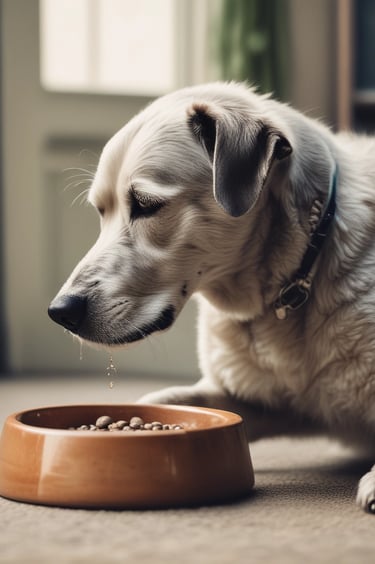
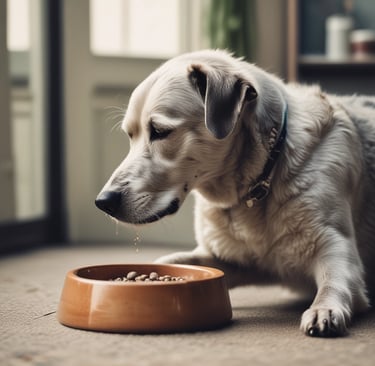
Before we talk about picky eating, we need to rule out medical emergencies. Senior dogs have lower reserves than puppies, meaning they can decline rapidly if they stop eating.
If you see any of these "Red Flags," do not wait to try new food tricks. Call your veterinarian immediately.
The 24-Hour Rule: Your dog has refused to eat anything for 24 hours or more.
Nausea Signs: Lip-licking, excessive drooling, or "hard swallowing" suggesting they want to eat but feel too sick.
Sudden Rejection: Your dog ate the prescription diet happily for weeks/months and suddenly stops; this is a medical red flag, not pickiness.
Systemic Symptoms: Refusal accompanied by vomiting, lethargy, or pale gums.
The Dehydration Spiral: If your dog isn’t eating, they likely aren’t getting enough moisture. Check their gums—if they are dry or "tacky" instead of slippery, they may be dehydrated, which causes more nausea, creating a dangerous cycle.
Full guide to senior dogs refusing prescription diets
Frequently Asked Questions
How long can a senior dog go without eating?
Most vets want to know if a senior dog hasn’t eaten in about 24 hours. Seniors can weaken and dehydrate faster, so it’s safer to call sooner rather than later.
Is my dog being picky or could this be something serious?
If your dog sniffs and walks away plus shows nausea signs (lip-licking, drooling, hard swallowing), lethargy, vomiting/diarrhea, or sudden refusal after eating well for weeks, it’s more than pickiness—call your vet.
What can I try at home before calling the vet?
If there are no red flags, try warming the food slightly, adding warm water to soften it, and offering the meal for 15–20 minutes before picking it up. Avoid rapid-fire swapping foods.
Should I switch foods right away if my dog won’t eat the prescription diet?
Not usually in the first 1–2 meals (unless your vet says so). Too many fast switches can teach “refusal = better options” and create longer-term food aversion.
Why did my dog suddenly stop eating a food they were eating fine last week?
A sudden change after weeks of eating well can be a clue—nausea, dental pain, medication side effects, or a flare-up of the underlying condition are common reasons. It’s worth a vet call.
The content on this website is meant to educate and support dog owners and should not be considered veterinary advice. Please consult your veterinarian before making changes to your dog’s diet, supplements, or medical care.
Questions?
Reach out anytime, we're here!
Join the Newsletter!
269-202-8665
© 2025. All rights reserved.